10 Beach Safety Tips for Kids on 30A
Essential safety tips for families on 30A: check flags, avoid rip currents, use USCG life jackets, reapply sunscreen, wear water shoes, and stay near lifeguards.
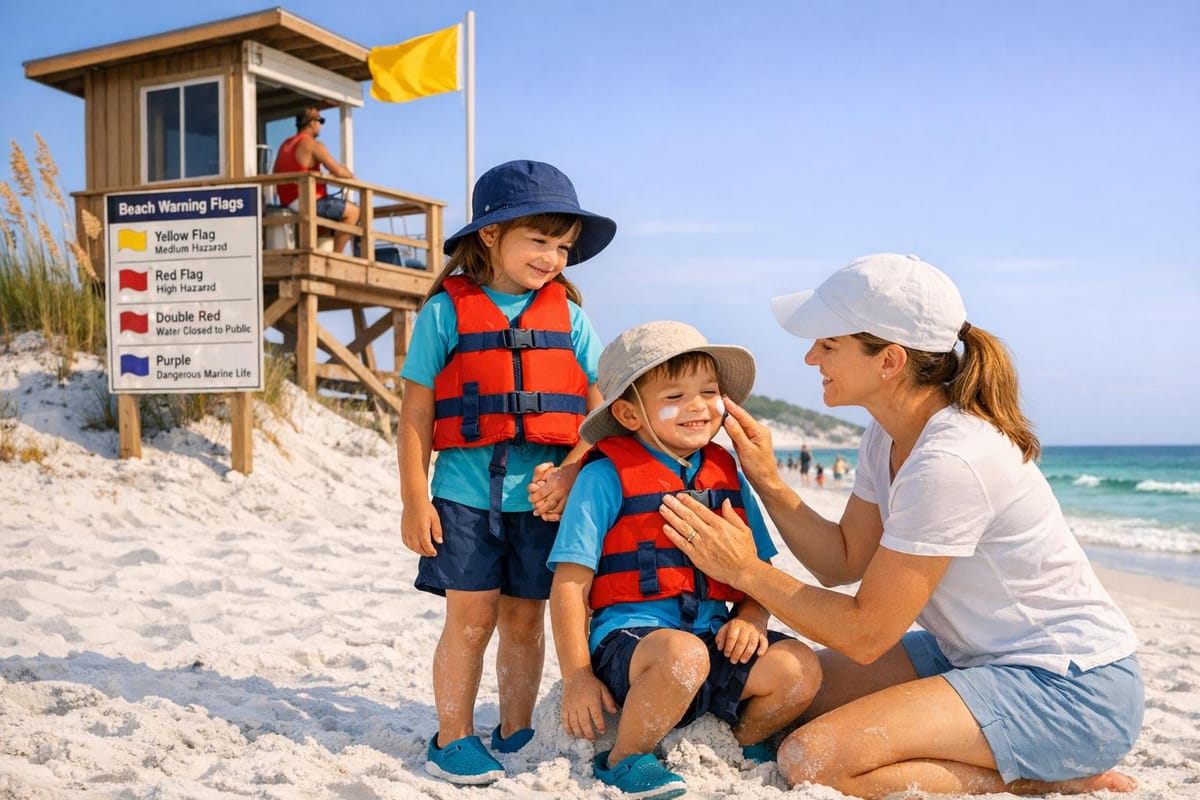
Beach days on 30A are fun but come with risks. From rip currents to sunburns, staying safe requires preparation. Here's a quick guide to protect your kids while enjoying the Emerald Coast:
- Check Beach Flags: Know the color-coded system for water conditions (e.g., red = dangerous, purple = marine life).
- Teach Rip Current Safety: Show kids how to spot and escape rip currents by swimming parallel to shore.
- Supervise Closely: Stay within arm’s reach of younger kids and always swim near lifeguards.
- Use Proper Flotation Devices: Choose U.S. Coast Guard-approved life jackets for safety.
- Dress Brightly: Neon colors and rash guards make kids easier to spot and protect against UV rays.
- Apply Sunscreen & Hydrate: Use reef-safe SPF 30+ and ensure kids drink water regularly.
- Wear Water Shoes: Protect feet from hot sand, sharp objects, and marine hazards.
- Fill Sand Holes: Avoid digging deep holes to prevent collapses and injuries.
- Follow Local Rules: Respect 30A beach regulations to keep the area safe and clean.
- Stay Near Lifeguards: Lifeguard stations are staffed from March 1 to October 31, 10 a.m. to 6 p.m.
Key Takeaway: Always stay alert, follow safety rules, and enjoy 30A’s beaches responsibly. For updates, check swfd.org or text "beachflag" to 67463.

30A Beach Flag Warning System Guide
1. Check Beach Flag Conditions Before Entering the Water
Before you head into the water, take a moment to check the beach flag at your entry point. Along 30A, the South Walton Fire District places color-coded flags at every public beach access, and these flags are updated throughout the day as conditions change.
Each color represents a specific level of hazard. A green flag means calm waters (though staying alert is still important), while a yellow flag signals moderate surf and currents, making it safer for weaker swimmers to stay in shallow areas. A red flag warns of high surf and strong currents, with the reminder for families that on these days, "knee deep is too deep" for children. If you see double red flags, it means the water is off-limits entirely. Additionally, a purple flag indicates the presence of marine life like jellyfish, stingrays, or Portuguese man o' war and is often flown alongside another flag color for added caution.
"If red flag conditions are present, knee deep is too deep, so cooling down is limited to the water's edge." – South Walton Fire District
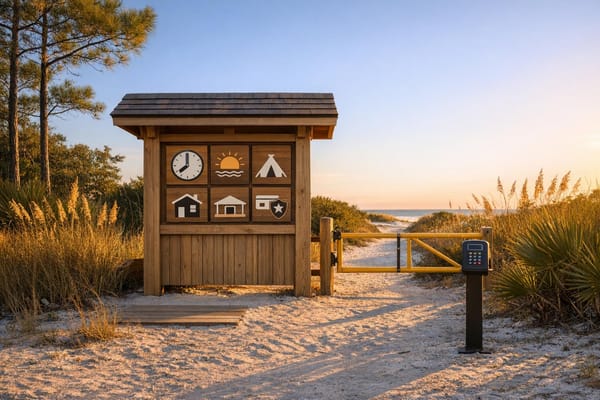
To stay informed, you can visit www.swfd.org or text "beachflag" to 67463 for the latest updates. There are also interpretive signs at beach entrances that can help you quickly teach your kids what each flag means.
"Knowing what each flag represents could be the difference between life and death!" – Robin Maynard, Davis Properties of Northwest Florida
Once you're familiar with flag conditions, the next step is teaching your kids how to spot and avoid dangerous rip currents.
2. Teach Kids to Spot and Escape Rip Currents
Rip currents are responsible for about 80% of beach rescues and tragically claim around 100 lives each year in the U.S.. These powerful channels can move at speeds of up to 8 feet per second - faster than even the best Olympic swimmers - making them especially dangerous for children. Along the 30A coastline, the double sandbar system increases the chances of rip currents forming when breaks occur in the underwater sandbars.
Before your kids head into the water, take a moment to teach them how to spot rip currents from a higher vantage point, like a boardwalk or dune. Look for darker patches of water that signal deeper channels, murky brown areas resembling "sand rivers", or gaps in the waves where they break on either side. You can also point out foam, seaweed, or debris steadily flowing away from the shore - these are all signs of a rip current. Recognizing these indicators is vital to staying safe.
If your child gets caught in a rip current, the first and most important step is to stay calm and avoid fighting the current. Rip currents pull swimmers away from the shore but do not drag them under the water. Teach your kids to swim parallel to the shore to escape the current, then angle back toward land once they're free. If they're unable to swim out, they should float or tread water to conserve energy and signal for help by waving and shouting. Interestingly, many rip currents form large circles, meaning floating could eventually bring them closer to safety.
"A rip always pulls you away from the shore, yet it will not pull you under the water." – Shannon Davidson, Surfer and Writer, 30A.com
Reiterate the local safety motto: "If in doubt, don't go out". On red flag days, remind children that "knee deep is too deep" to help keep them safe from being swept away.
3. Supervise Children Closely at All Times
Your full attention is the best safety measure. The waters along 30A can change quickly, with rip currents forming and surf conditions shifting without warning. While lifeguards are stationed at 10 major regional beach access points from March 1 to October 31 - typically between 10 a.m. and 6 p.m. - your role as a parent or guardian is critical in keeping your children safe. Lifeguards provide oversight, but your watchful eye fills in where the flag system and lifeguards might not.
For younger kids and those who aren't strong swimmers, always stay within arm’s reach. This ensures you can step in immediately if a wave knocks them over or a current pulls them off balance. Encourage the buddy system with this easy-to-remember rule: "Swim as a pair near a lifeguard's chair". Never let children enter the water alone, even if it seems shallow or calm. Staying close allows you to act fast if needed.
If a child in your group goes missing, use the "go with the wind" method to guide your search. Children often follow the wind's direction when separated, so start looking downwind first.
Plan regular breaks - about once an hour - for hydration, sunscreen reapplication, and a rest from the sun. These breaks not only protect against sunburn and dehydration but also help you stay alert while supervising. To stay informed about current beach conditions and safety updates, text "SAFETY" to 31279 for real-time alerts. Keeping these tips in mind will help you enjoy 30A's ever-changing beach environment while staying prepared for anything.
4. Use Coast Guard-Approved Flotation Devices
When it comes to flotation devices, not all are built to save lives. Items like water wings, inner tubes, and padded swimsuits may look fun, but they’re classified as toys - not life-saving equipment - and should never be relied on to prevent drowning. Jessica Winberry, Prevention Coordinator at THE PLAYERS Center for Child Health, stresses this point:
"Whatever you're using must be U.S. Coast Guard-approved. If it's not U.S. Coast Guard-approved, it is not a proper flotation device".
The distinction is crucial. U.S. Coast Guard (USCG)-approved life jackets go through rigorous testing to ensure their buoyancy and safety. In contrast, unapproved items often slip off easily, offering a false sense of security to parents.
For young children or weaker swimmers braving the Gulf waters along 30A, Type I PFDs (Personal Flotation Devices) are the safest option. These jackets are designed to roll a child face-up in the water, an essential feature in emergencies where the child might lose consciousness or struggle against waves. Adam Katchmarchi, PhD, Executive Director of the National Drowning Prevention Alliance, advises:
"Parents of young children must use Type I PFDs that roll them face-up".
For supervised beach outings, Type III foam vests are a popular choice. High-quality models typically cost around $60, but budget-friendly options under $30 are also available, as long as they meet USCG standards. The key is ensuring the PFD fits properly.
How to Ensure a Proper Fit
Fit isn’t just about comfort - it’s about safety. Always base the size on your child’s current weight, not their age or clothing size. Look for the "U.S. Coast Guard Approved" stamp on the inside label. Once you’ve secured all straps, test the fit by lifting the child by the vest’s shoulders. If the vest rises up and exposes their chin or ears, it’s too big. For younger children, choose a PFD with a crotch strap to prevent it from sliding over their head.
In Florida, children under 6 are legally required to wear a life jacket on moving vessels, and those under 12 must wear one while paddleboarding on 30A. Inspect PFDs yearly for signs of damage, such as waterlogged foam, faded fabric, or frayed straps, and replace them if necessary. Bright colors like neon pink or orange are also a smart choice - they make kids easier to spot in the Gulf's waters.
5. Dress Kids in Bright Colors and Rash Guards
What your child wears at the beach can make a big difference in keeping them safe and easy to spot.
Neutral colors may blend in with 30A's white sands and turquoise waters, making it harder to see your child. Bright neon clothing, on the other hand, stands out, allowing lifeguards and parents to track them more easily in crowded areas. This visibility becomes especially important if your child drifts along the shoreline, as children often follow the current or the wind without realizing it.
Rash guards are another smart choice. Not only do they shield your child’s skin from Florida’s intense UV rays, but they also add an extra layer of visibility. The UV index along the Emerald Coast can be surprisingly high, even on overcast or breezy days, so a physical barrier like a rash guard is a must. Opt for neon pink, orange, or yellow rash guards - they stand out beautifully against the sand and water.
Bright clothing does more than protect from the sun. It also helps beach staff quickly reunite lost children with their families, especially at designated meeting points marked with orange flags.
Don’t forget accessories. Wide-brim hats in bright colors provide extra sun protection and make your child even easier to spot. Teach your child to recognize a landmark - like a colorful umbrella or a lifeguard station - as their designated "home base" in case they get separated.
6. Apply Sunscreen and Stay Hydrated
The sun at 30A in Florida can be intense, so keeping your child’s skin protected and ensuring they stay hydrated is a must.
Pick the right sunscreen. Mineral-based sunscreens with zinc oxide or titanium dioxide are excellent for kids with sensitive skin since they create a physical barrier against harmful rays. Look for reef-safe options to help protect the ocean while shielding your little one from the sun.
Make hydration a priority. Encourage your child to sip water regularly throughout the day, rather than waiting until they feel thirsty. Staying ahead of dehydration is essential for a fun and safe beach outing.
7. Wear Water Shoes for Hot Sand and Hazards
After shielding skin from the sun, don’t forget about protecting little feet from scorching sand and hidden dangers.
On 30A’s beaches, the sand can heat up quickly under the intense Florida sun, making it uncomfortable - or even painful - to walk barefoot. Plus, beneath the surface, there could be sharp shells, rocks, or other hazards. Water shoes are a simple way to keep your child’s feet safe from both the heat and unexpected surprises.
When choosing water shoes, go for closed-toe designs with adjustable straps to ensure they stay secure during active play. Bright colors like neon pink or orange make them easy to spot, while materials such as quick-drying mesh or neoprene help prevent chafing and keep feet comfortable. Sturdy heel straps or flexible aqua sock styles are great for staying on during waves or water activities. Steer clear of flip-flops - they might seem convenient, but they slip off easily, provide little support, and leave toes exposed to injury.
Water shoes also act as a shield against marine pests like jellyfish or Portuguese man o’ war, which occasionally wash ashore. Their rubber soles improve traction on slippery or rocky surfaces. Similar to brightly colored clothing, water shoes not only protect but also help keep kids visible as they explore the beach. Combined with supervision and flotation devices, proper footwear is a key part of beach safety.
To keep water shoes in good shape, rinse them with fresh water after each use to remove salt and sand. This quick step helps maintain their grip and prevents odors. Affordable and durable options are widely available, making them a practical choice for families.
8. Fill Sand Holes and Avoid Digging Deep
Digging in the sand might seem like harmless fun, but it comes with serious risks. Deep holes can collapse unexpectedly, leading to suffocation. In fact, fatalities from collapsing sand holes are statistically more common than shark attacks. Keeping your child safe from these dangers is just as important as watching them in the water.
While wet sand may hold its shape temporarily, it weakens as it dries, increasing the risk of sudden collapse. If a collapse occurs, the weight of the sand can compress a child’s chest, making it impossible to breathe. Dr. Jacob Snow, a Pediatric Emergency Medicine Physician at Pediatrix Medical Group, explains:
"The child can then suffocate, not necessarily because of sand in the airway, but because the weight of the sand makes it impossible to move your chest enough to breathe".
Statistics show that about three fatalities from sand hole collapses happen every year.
To prevent accidents, stick to the "knee-height rule": never dig a hole deeper than the knee height of the smallest person in your group. This rule is enforced in Walton County, where beach regulations also prohibit metal shovels, allowing only plastic ones to avoid excessively deep holes.
Unfilled holes aren’t just dangerous for people - they can also harm wildlife and disrupt beach safety. These holes create trip hazards, block emergency vehicles, and interfere with sea turtle nesting. Before leaving, always fill in any holes and smooth the sand. This simple action not only complies with Walton County's "Leave No Trace" ordinance but also ensures a safer, more enjoyable beach for everyone.
9. Follow 30A Beach Rules and Leave No Trace
Sticking to the local 30A beach rules does more than ensure your family's safety - it also plays a big part in protecting the area’s natural beauty. These regulations, set by Walton County, aim to keep beaches accessible for everyone while safeguarding habitats for local wildlife.
Certain items are prohibited, like glass containers, charcoal grills, and metal shovels. If you’re using a propane grill, it must not exceed 225 square inches (16″ x 20″). Tents are allowed but must be no larger than 10′ x 10′ and should be set up on the upper third of the beach to leave room for emergency access. Following these guidelines helps create a safe and respectful environment for all beachgoers.
Make it a habit to clear the beach of personal belongings - like toys, chairs, and tents - at least an hour before sunset. Leaving items overnight can pose risks to nesting sea turtles and their hatchlings, potentially trapping or disorienting them. Fortunately, with 470 trash bins placed along South Walton beaches, disposing of waste properly is easy and convenient.
Take a moment to teach your kids why these rules matter. They’re not just about safety; they also protect wildlife and ensure emergency crews can do their jobs without obstacles. For example, during sea turtle nesting season, using red-filtered flashlights at night can prevent disorienting these delicate creatures. By following these simple practices, you contribute to preserving the beauty and safety of 30A's beaches for everyone to enjoy.
10. Swim Near Lifeguards and Know Emergency Contacts
Whenever you head to the beach, make it a priority to swim near a lifeguard tower. Along the 26-mile stretch of 30A, the South Walton Fire District (SWFD) Beach Safety and Surf Rescue Division operates 18 lifeguard towers, staffed by 50–60 team members during peak season. This includes over 20 full-time certified EMTs, ensuring quick response times for rescues and medical emergencies. This ties back to earlier advice about staying vigilant and recognizing potential hazards.
Choosing a spot within a lifeguard's view is more than just a good idea - it’s a vital safety measure. David Vaughan, Beach Safety Director for the SWFD, emphasizes this point:
"We're most effective when we can physically see swimmers and prevent any emergency from occurring before it's too late."
Lifeguards do more than respond to emergencies. They monitor for hazards like rip currents and dangerous surf, and they’re often the first to help reunite lost children with their families. Their role as "Guardians of the Shore" aligns with the broader safety strategies discussed earlier.
Lifeguard services are available from March 1 to October 31, with daily hours from 10:00 a.m. to 6:00 p.m.. To maximize safety, always swim at regional beach access points where lifeguard towers are stationed. Before heading into the water, double-check that the tower is staffed.
In case of an emergency, call 911 and provide clear, specific landmarks to help responders locate you quickly. For non-urgent beach safety inquiries or to obtain bonfire permits, you can reach the SWFD at 850-267-1298. If someone is caught in a rip current, notify a lifeguard immediately - they’re trained and equipped to handle such situations.
Conclusion
These ten tips work together to ensure a safer beach day for your family. Simple actions like checking the beach flag system, teaching kids how to spot rip currents, and staying near lifeguard towers can go a long way in keeping everyone protected.
Keep in mind, entering Gulf waters during double red flag conditions isn’t just dangerous - it’s illegal and comes with penalties. Don’t forget to apply reef-safe SPF 30+ sunscreen every two hours, and plan for hourly water breaks to avoid heat exhaustion. Before heading home, make sure to fill in any holes you’ve dug and pick up your belongings to safeguard wildlife and maintain emergency access.
For extra help planning your trip, check out sowal.co. They offer live BeachCams to monitor surf conditions in real time, plus a detailed Beach Access Guide with photos and maps of all 30A access points. It’s a handy resource to help you enjoy your beach day while staying safe and informed.
FAQs
What should I do if my child gets caught in a rip current?
If your child gets caught in a rip current, the most important thing is to stay calm. Teach them to swim parallel to the shore to break free from the current. If they’re unable to swim out, they should float or tread water to conserve energy and signal for help. They should never try to swim directly back to shore against the current, as this can quickly tire them out and put them in greater danger. Go over these safety tips with your child before they head into the water.
Which life jacket is safest for kids in the Gulf?
The best life jacket for kids in the Gulf is a USCG-approved life jacket. These jackets meet strict safety standards, providing dependable protection. Make sure to choose the right size and fit based on your child’s weight and age for maximum safety.
Where can I check 30A beach flag updates in real time?
For real-time 30A beach flag updates, visit the South Walton Fire Department's website or text SAFETY to 31279 to receive the latest conditions. Staying updated is key to enjoying a safe day at the beach.