What to Do if Your Child Gets Lost on 30A Beaches
Knowing how to alert lifeguards, search downwind along the shore, and use GPS or community tools can reunite families quickly on 30A beaches.
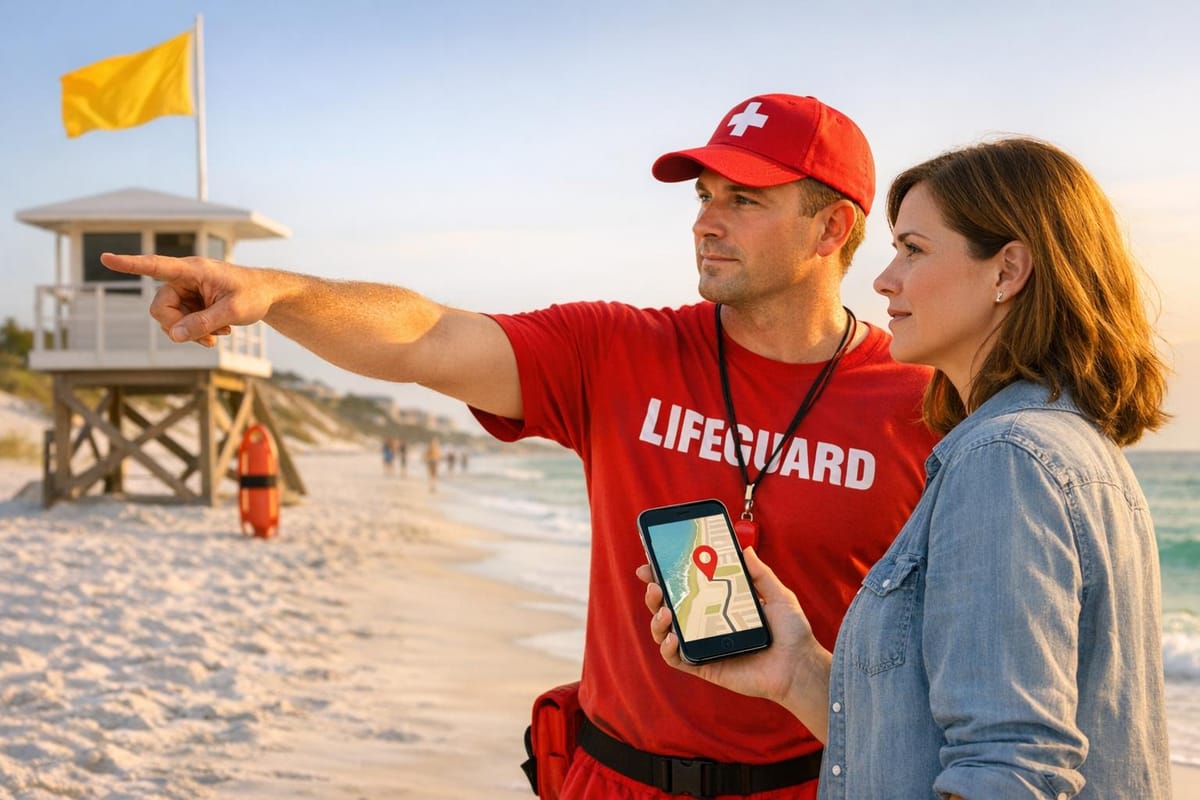
Losing sight of your child on a busy 30A beach can be overwhelming, but acting quickly and staying calm is essential. Start by notifying lifeguards or calling 911 if lifeguards are unavailable. Provide a detailed description of your child and where they were last seen. Begin searching immediately, focusing on the water’s edge and moving with the wind, as children often follow the breeze. Involve nearby beachgoers for extra help, and use tools like social media or GPS devices if available. Prevention is key - set a meeting spot, equip kids with ID, and teach them beach safety basics, including how to read flag warnings. Planning ahead can make all the difference.
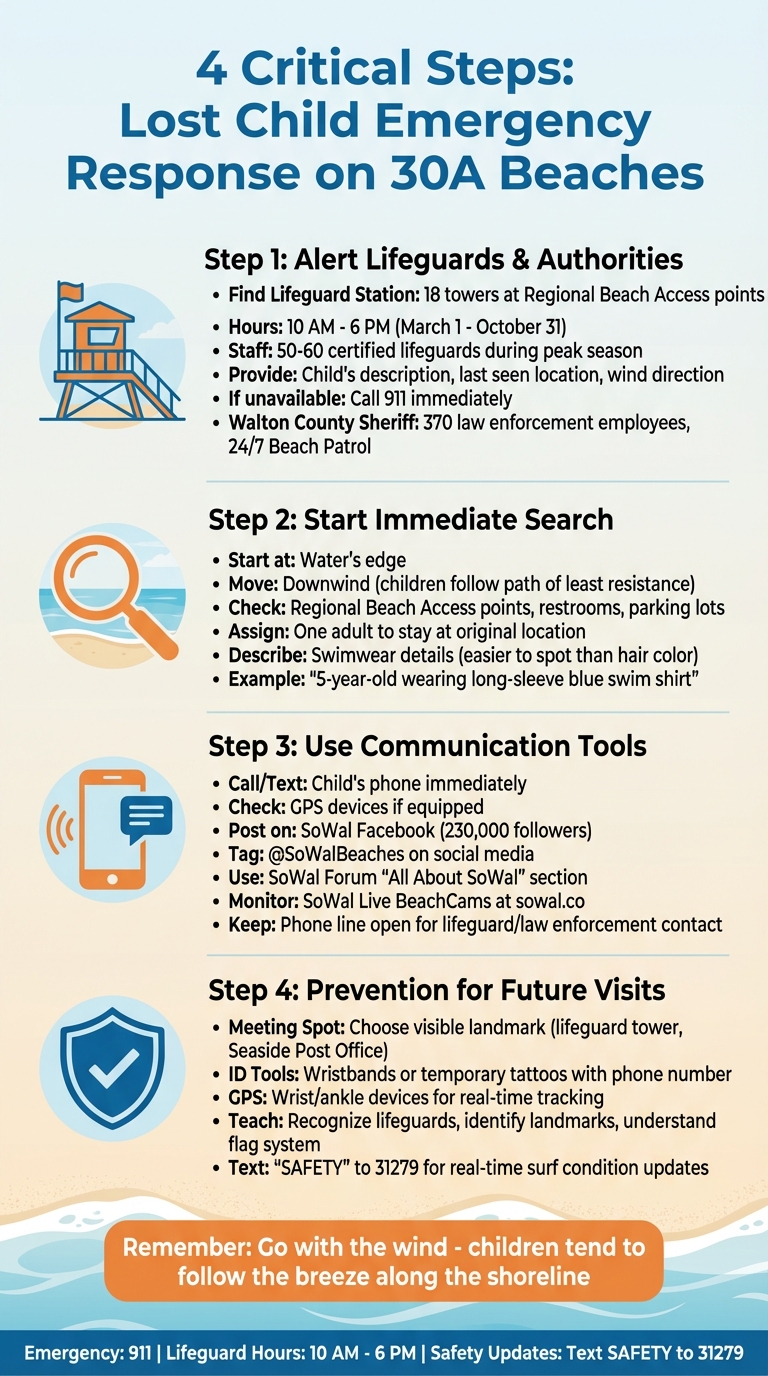
4-Step Emergency Response Plan for Lost Children on 30A Beaches
Terrified Mothers Fear The Worst - Missing Kids At The Beach
Step 1: Alert Lifeguards and Local Authorities
When a child goes missing, every second counts. Start by notifying the professionals on duty. The South Walton Fire District employs a team of 50–60 certified lifeguards during peak season, trained specifically to help reunite lost children with their families.
Find the Nearest Lifeguard Station
Look for an elevated lifeguard tower at a Regional Beach Access point. The South Walton Fire District operates 18 towers at key locations like Miramar, Dune Allen, Fort Panic, Ed Walline, Gulfview Heights, Blue Mountain, Grayton Beach, Santa Clara, and Inlet Beach. These towers are staffed daily from 10:00 AM to 6:00 PM during the beach safety season, which runs from March 1 through October 31.
When you approach a lifeguard, provide a clear description of your child’s appearance and where they were last seen. David Vaughan advises that children may drift with the wind, so it’s helpful to mention the wind direction.
If lifeguards are unavailable, reach out to local law enforcement immediately.
Contact Walton County Sheriff's Office
If it's outside the lifeguard coverage hours (10:00 AM to 6:00 PM) or you can't locate a lifeguard, call 911 without delay. The Walton County Sheriff's Office operates 24/7 with around 370 law enforcement employees, including a dedicated Beach Patrol unit. When calling, be ready to share precise landmarks, such as the name of the nearest Regional Beach Access, a street address, or a well-known structure, to help responders locate you quickly.
Keep a photo of your child handy - it can be added to a supplemental report to aid in the search. The Sheriff’s Office communication officers are trained to handle emergencies with professionalism and will guide you through the process. As Jeanne Kimble, a relieved parent, shared after her son was found:
Thank you to the officers who rescued my son... The lady who took the information on the phone was very caring and professional.
Step 2: Start an Immediate Search
Once lifeguards and authorities are notified, take action yourself. Your quick response can work alongside the efforts of beach patrol and law enforcement. Time is critical, so begin searching right away.
Search Common Areas and Landmarks
Start at the water’s edge and then move downwind - kids often follow the path of least resistance, which tends to align with the wind. Children are naturally drawn to the shoreline and waves. The South Walton Fire District emphasizes this:
Go with the wind (individuals, especially children, tend to take the course of least resistance - follow the wind to find someone who is missing from your group).
Check nearby Regional Beach Access points such as Ed Walline, Santa Clara, or Inlet Beach. These spots often have restrooms, parking lots, and showers - places a child might recognize or head toward. Look for large, noticeable markers like flags, umbrellas, or poles that could attract their attention. If you’re searching with others, assign one adult to stay at your original location in case your child returns there on their own.
Ask Nearby Beachgoers for Help
Enlist the help of nearby beachgoers, providing a clear and detailed description of your child. Focus on specifics like their swimwear, as these details are easier to spot in a crowd than hair color or other features. For example, instead of saying, “a five-year-old boy,” be specific: “a five-year-old wearing a long-sleeve blue swim shirt”.
Erich Becker, Chief of Operations at Ocean City Beach Patrol, explains:
It's not unusual for a radio transmission to say: 'We are looking for Emma, a 3-year-old white girl with brown hair in a ponytail, wearing a blue sparkly Princess Elsa one-piece bathing suit.' That allows us to act quickly and search the right areas.
Ask helpers to begin at the water’s edge and then move downwind from where your child was last seen. If you have a recent photo on your phone, share it so others can identify your child more easily. If your initial search doesn’t lead to results, it’s time to move on to using communication tools. While you wait for a resolution, you can also use a South Walton itinerary generator to adjust your plans for the rest of the day.
Step 3: Use Communication Tools and Local Resources
If your older child has social media accounts, law enforcement may be able to look through their messaging history or posts for clues about their location. Additionally, if your child is wearing a GPS device, check it immediately to find their exact whereabouts. Here are some immediate steps you can take to communicate and search effectively.
Call or Text Your Child's Phone
The first thing to do is reach out to your child's phone. If they answer, stay calm and reassuring. Ask them to describe their surroundings - things like landmarks, signs, or nearby businesses can help you figure out where they are. Remind them to stay put, and let them know you're on your way. If they don't pick up, send a text. Kids in noisy or crowded places might notice a text before a call. Also, make sure to keep your phone line open so lifeguards or investigators can reach you quickly if they locate your child.
Post on Social Media and Local Groups
Social media can be a powerful tool to get the word out fast. The SoWal Facebook page, with its 230,000 followers, is a great place to start. Posting here can quickly alert the South Walton community. You can either message the page directly or share a post in 30A-specific community groups. Be sure to include a detailed description of your child, highlighting their swimwear and where they were last seen. On Instagram or Twitter, tag @SoWalBeaches to reach locals and visitors who follow the account.
Another option is the SoWal Forum, especially the "All About SoWal" section. This platform is well-known for community alerts and updates. As noted by SoWal staff:
SoWal.com is sort of two sites in one, the SoWal Forum kicked things off and is very active. You can find out anything you want to know about South Walton there...
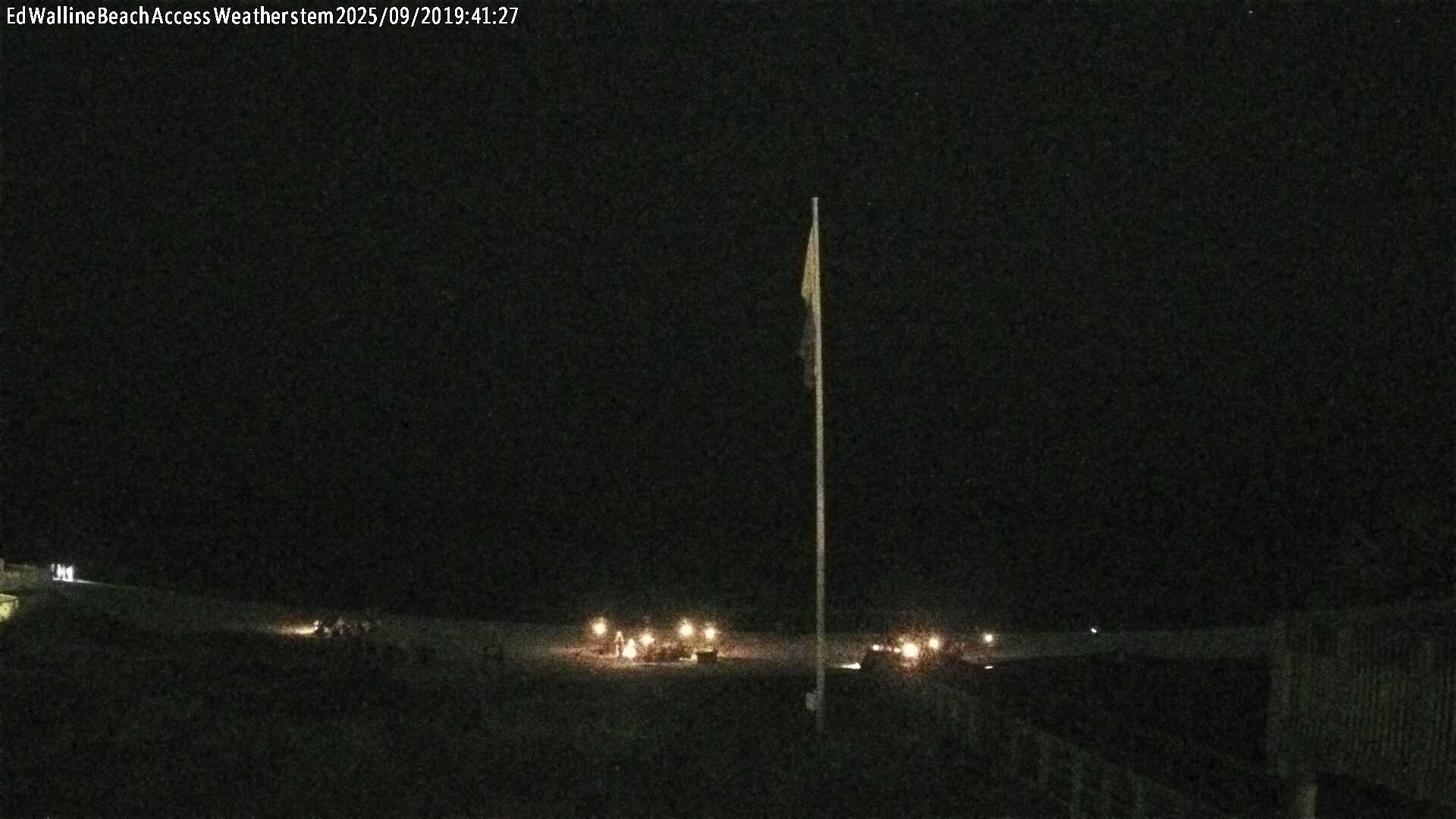
Lastly, check the SoWal Live BeachCams at sowal.co. These cameras provide real-time views of beach accesses like Seaside, Grayton Beach, and Inlet Beach, which could help you visually scan the area for any signs of your child.
Step 4: How to Prevent This in the Future
Once you've addressed the immediate situation, it's time to think about prevention. The goal is simple: reduce the chances of a lost child incident during future visits.
Pick a Family Meeting Spot
The moment you arrive at the beach, decide on a meeting point before anyone gets distracted by unpacking or heading toward the water. Choose a location that’s easy to spot, like a lifeguard tower or a well-known landmark. For example, places like the Seaside Post Office, the Seaside Amphitheater, or the Rosemary Beach town square are great options. Make sure everyone in the family knows the exact name of your chosen access point to the beach.
Use Identification Tools
For younger kids, consider using wristbands or temporary tattoos with your phone number on them. These can be lifesavers if your child gets separated from the group. If you want an extra layer of security, GPS-enabled devices that your child can wear on their wrist or ankle can send real-time location updates directly to your phone.
Teach Beach Safety Basics
Before your trip, have a quick safety talk with your kids. Teach them to recognize lifeguards as trusted adults they can approach if they need help. Show them how to find the nearest lifeguard station when you arrive, and explain the beach flag system so they understand safe swimming conditions. Encourage them to identify permanent landmarks - like a specific building or structure - rather than temporary markers like towels or umbrellas. And always remind them to stay close to the group.
For added safety, you can text "SAFETY" to 31279 to get real-time updates on surf conditions and flag warnings sent straight to your phone. This can help you choose the safest spot to set up for the day.
Conclusion
Losing sight of your child on a crowded 30A beach is a parent's nightmare, but knowing how to respond in those first critical moments can make all the difference. Acting quickly, staying calm, and using the resources available to you are key steps to reuniting with your child as fast as possible. One of the most important actions you can take is to alert the nearest South Walton Fire District (SWFD) lifeguard. These professionals are specifically trained to handle such situations and are stationed along the shoreline to ensure safety and assist families in need.
The 30A community is a strong network of support. From lifeguards to fellow beachgoers, everyone is ready to lend a hand. Mackenzie McClintock, SWFD Public Information Officer, highlights the role of these lifeguards:
Whether they're performing water rescues, responding to medical events, reuniting lost children with families, or simply offering friendly directions to local landmarks, these surf rescue professionals serve as both lifesavers and local ambassadors.
Planning ahead can prevent much of the stress in these situations. A few simple precautions - like designating a meeting spot, equipping your child with identification, and teaching basic beach safety - can make a huge difference. Even small actions, such as noting the name of the nearest beach access point or setting up near a lifeguard tower, can save precious time in case of separation.
30A beaches are beautiful but ever-changing environments, where wind and currents can shift quickly. With some preparation and the support of the SWFD, you can ensure your beach days remain enjoyable and worry-free.
FAQs
What should I do first if I lose sight of my child on a 30A beach?
If your child goes missing on a 30A beach, it’s important to remain calm and act quickly. Start by asking nearby people to help you search while you check the water’s edge and nearby spots where your child might have wandered. Notify lifeguards or beach staff immediately - they’re trained to handle these situations and can coordinate a search effort. Stay focused, think back to your child’s last known location, and follow any beach safety procedures to help ensure a fast reunion.
What details should I share with lifeguards or 911 to speed up the search?
When reporting a missing child, include as many specific details as possible to assist responders. Provide the child's name, age, race, sex, hair color, eye color, and a description of their clothing at the time they went missing. Share the last known location and how long they’ve been missing. If you suspect they may have headed in a certain direction, mention that too.
Additional details like recent photos, any medical conditions, or unique identifiers (e.g., glasses, birthmarks, tattoos, or scars) can make a huge difference. The more precise the information, the quicker lifeguards or emergency responders can act to locate your child.
How can I prevent my child from getting separated at 30A beaches?
To ensure your child's safety and avoid separation, keep a close eye on them at all times, especially around water. Teach them about the beach flag system and explain why it's important to stay in designated safe areas. For younger swimmers, equip them with Coast Guard-approved life vests. Consider setting a meeting point in case you get separated or using ID bracelets with your contact information. Establish clear rules about staying nearby, and go over safety practices together before heading out to the beach.