FAQs About 30A Nature Education Programs
Compare 30A nature education programs — activities, costs, schedules, age groups, and registration tips for hands-on coastal conservation learning.
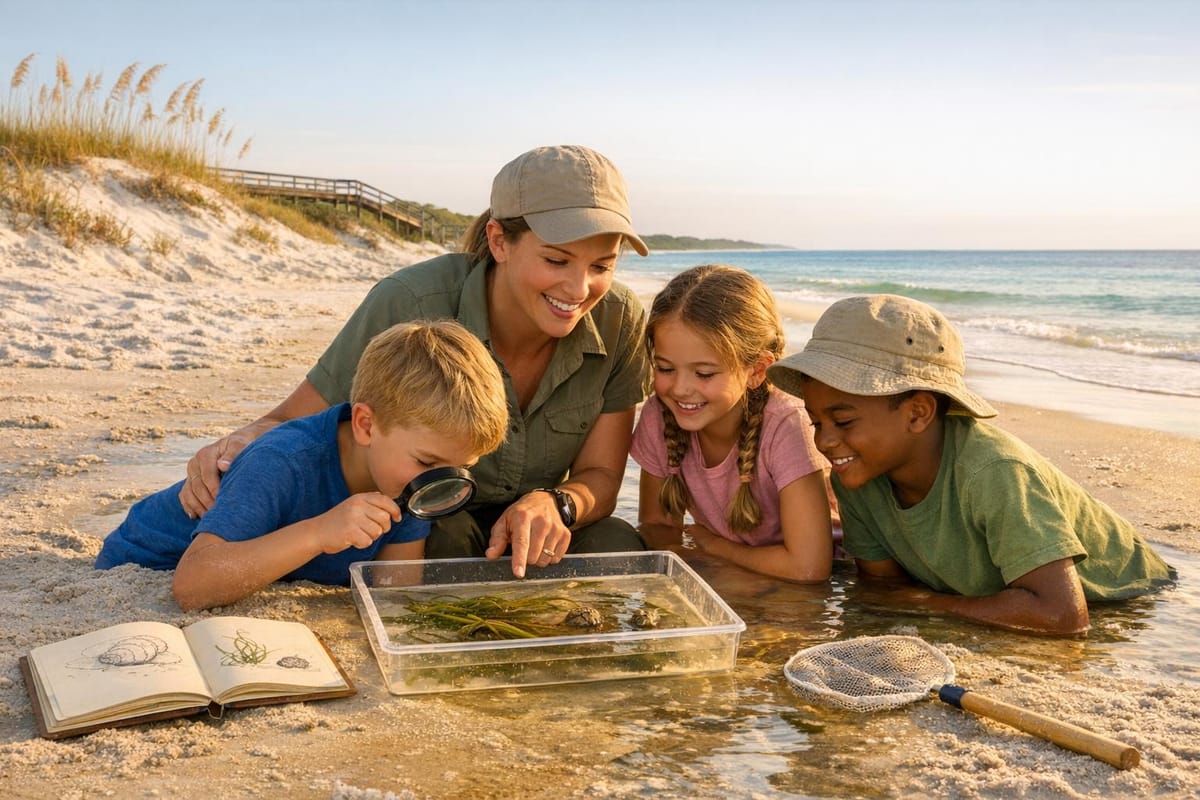
Looking to connect with nature along Florida's 30A? This region offers programs that combine hands-on learning with outdoor exploration, perfect for kids, teens, and adults. From wildlife tracking to shoreline restoration, these activities teach practical skills while deepening your understanding of local ecosystems.
Key Takeaways:
- Top Programs: E.O. Wilson Biophilia Center, Choctawhatchee Basin Alliance, and Topsail Hill Preserve State Park.
- Activities: Animal tracking, plant identification, water quality testing, and coastal conservation.
- Costs: Options range from free to $2,160 per semester for private programs like Wildlife 30A.
- Schedules: Most programs align with the school year (September–May), with summer camps available.
- Who Can Join? Programs cater to kids, teens, families, and adults, with tailored activities for each group.
Whether you're a parent planning for your child or an adult eager to learn, these programs offer meaningful ways to explore the natural beauty of 30A.
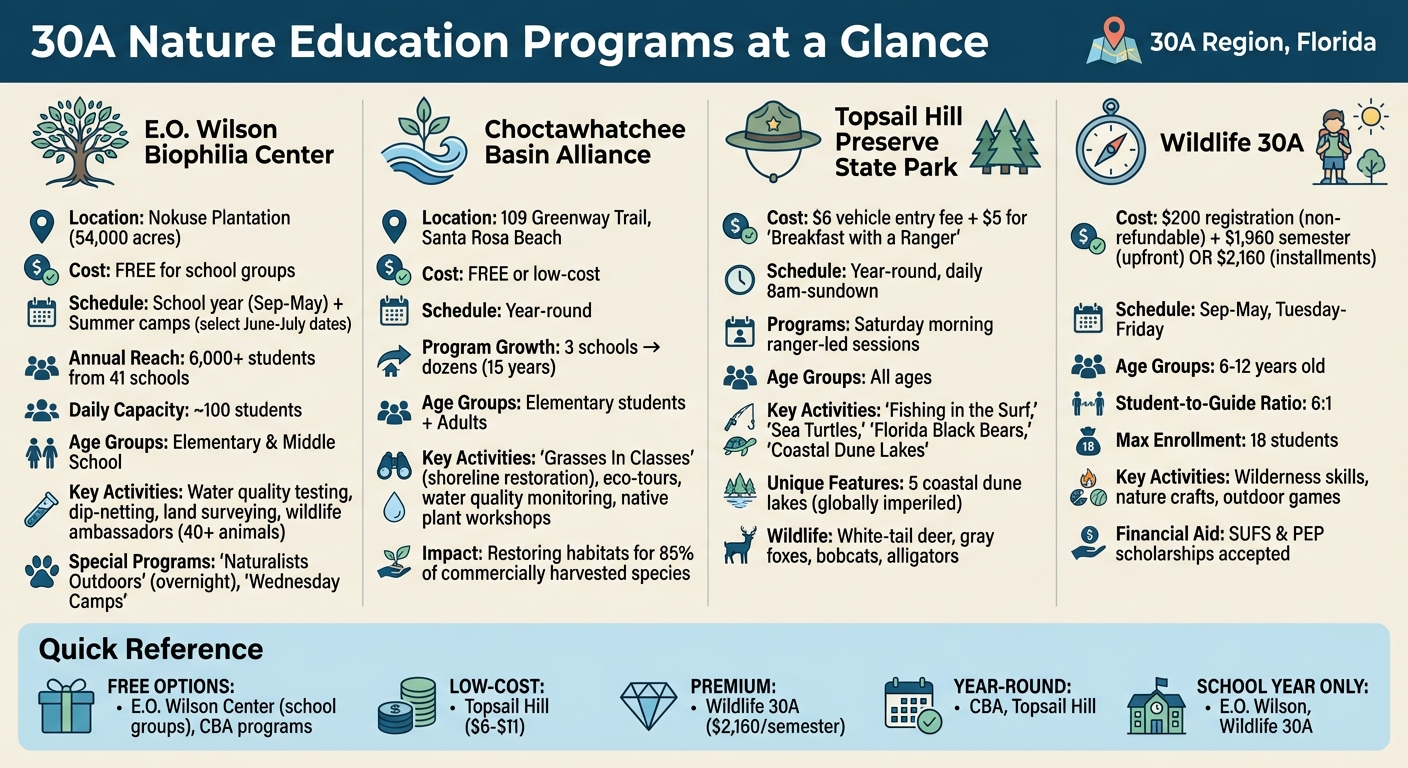
30A Nature Education Programs Comparison: Costs, Schedules, and Age Groups
Nature Education Programs Along 30A
The 30A area is known for its commitment to conservation, and its nature education programs reflect this legacy by offering a variety of hands-on learning opportunities.
E.O. Wilson Biophilia Center
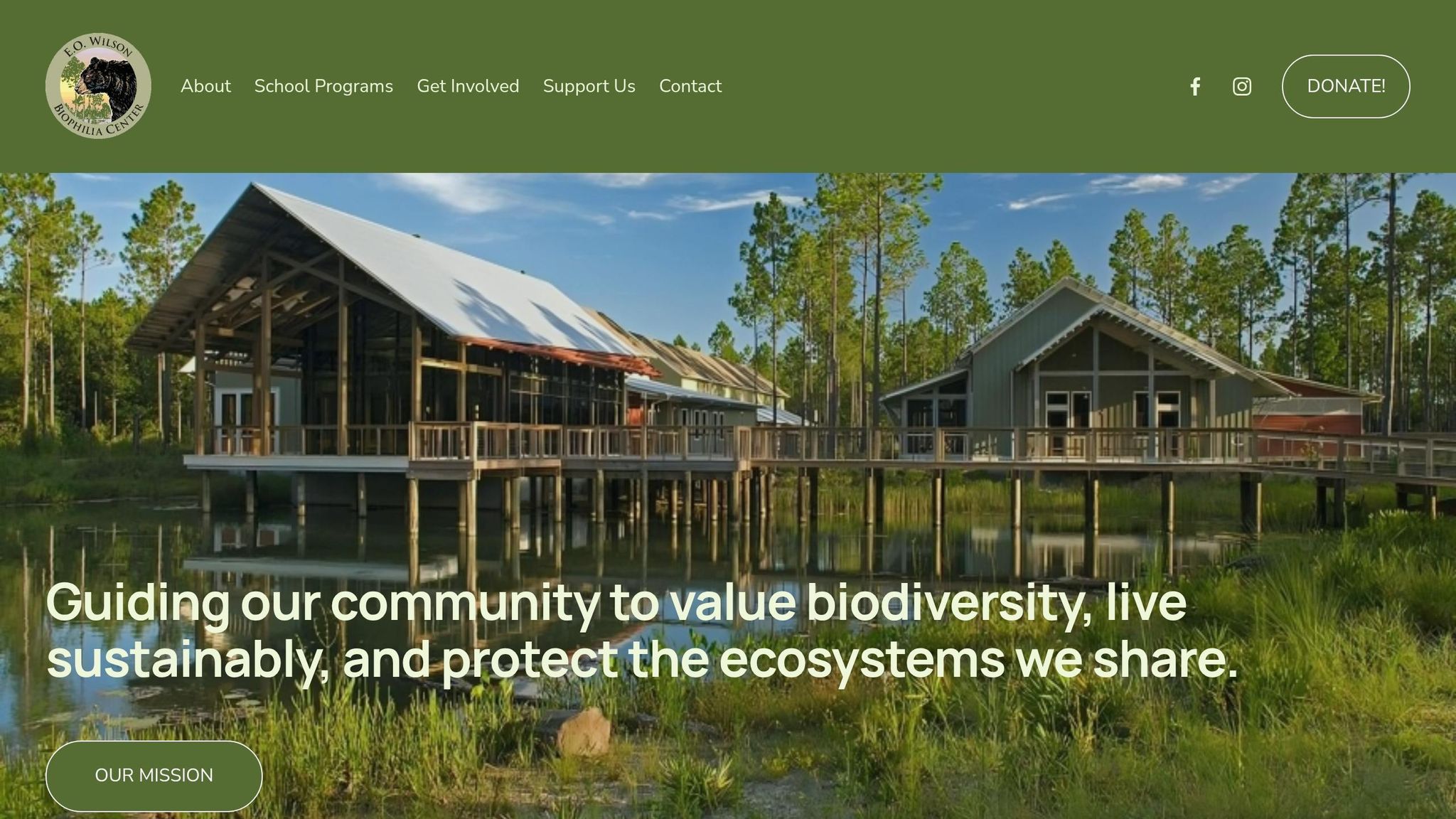
Nestled within the 54,000-acre Nokuse Plantation nature preserve, the E.O. Wilson Biophilia Center brings Dr. Edward O. Wilson's "biophilia" concept to life with immersive educational experiences. During the school year, the center welcomes around 100 elementary and middle school students daily for free, multi-day programs. These sessions, attended by over 6,000 students annually from 41 schools, include activities like water quality testing, dip-netting, and land surveying. Students also get to meet more than 40 wildlife ambassadors, such as bobcats, eagles, and gopher tortoises.
As fourth-grade teacher Anna Hull puts it:
"Without this Center our students would not have had these chances to open their minds and spirits to nature in the most up close and spectacular ways. Just listening to their conversations sparked by these opportunities, I can tell you that lives are changed."
The center opens to the public on select dates in June and July, offering summer day camps, museum days, and guided hikes. Special programs like "Naturalists Outdoors", an overnight experience, and "Wednesday Camps" provide additional opportunities to connect with nature.
Other local programs continue this hands-on approach, focusing on community involvement and environmental restoration.
Choctawhatchee Basin Alliance
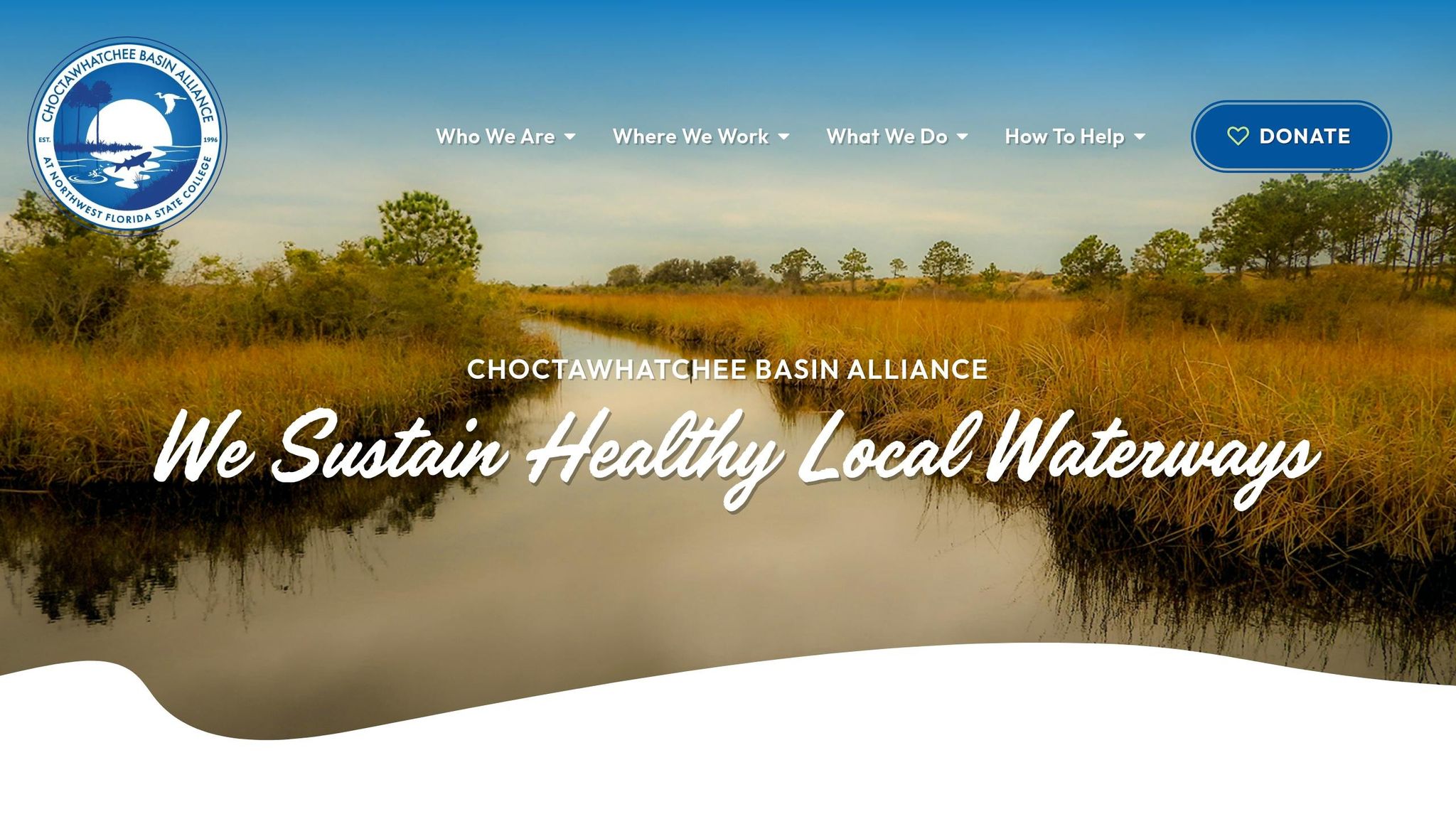
The Choctawhatchee Basin Alliance (CBA) is another program that emphasizes community-driven education and restoration efforts. One of its standout initiatives, "Grasses In Classes", has grown from three schools to dozens across Okaloosa and Walton counties over the past 15 years. Through this program, elementary students plant smooth cordgrass to help restore shorelines, which are vital habitats for 85% of commercially harvested species that begin their life cycles in estuaries like Choctawhatchee Bay.
Amanda Briant, Education Program Manager for CBA, highlights the program's impact:
"The fact that they're able to help and actually be part of the restoration is huge. It really touches their heart in a way that being in the classroom just can't do."
In addition to school programs, the alliance maintains a Native Plant Demonstration Garden at 109 Greenway Trail in Santa Rosa Beach. This living classroom showcases sustainable landscaping and water conservation techniques. Visitors can also participate in eco-tours, water quality monitoring, shoreline restoration projects, and workshops on eco-friendly gardening.
Topsail Hill Preserve State Park
Topsail Hill Preserve State Park offers engaging, ranger-led programs that explore the area's unique ecosystems. Every Saturday morning, the park hosts interpretive sessions on topics like "Fishing in the Surf", "Sea Turtles", "Florida Black Bears", and "Coastal Dune Lakes". The park is home to five coastal dune lakes, including Campbell Lake and Morris Lake, which Ranger Christopher Horkman describes as "quite unique, and considered globally imperiled by the Florida Natural Areas Inventory".
Visitors may also spot wildlife such as white-tail deer, gray foxes, bobcats, and American alligators. The "Breakfast with a Ranger" program, priced at $5, supports the Friends of Topsail Hill Preserve State Park. For homeschooling families, the Wildlife 30A program offers a faith-based outdoor curriculum for children aged 6–12, running from September to May, Tuesday through Friday. For updated schedules and fees, call 850-267-0299 or visit the park's website.
Program Costs and Availability
Cost Breakdown for Programs
The cost of nature education programs along 30A spans a wide range, from free options to several thousand dollars annually. Public programs and charter schools often provide free access, while state parks like Topsail Hill Preserve charge a small vehicle entry fee - about $6 - to enjoy ranger-led activities and trails.
Private programs, however, come with a higher price tag. For instance, Wildlife 30A requires a $200 non-refundable registration fee, along with Spring 2026 semester tuition of $1,960 if paid upfront or $2,160 through installments. This program offers a 6-to-1 student-to-guide ratio, ensuring personalized attention for participants. Financial assistance is available through scholarships like Florida's Step Up For Students (SUFS) and Personalized Education Program (PEP), as Wildlife 30A accepts direct payments through these programs.
Public charter schools, such as Seaside Neighborhood School and Seacoast Collegiate High School, charge no tuition but use a lottery system for admissions. Additionally, community initiatives by the Choctawhatchee Basin Alliance, including visits to the Native Plant Demonstration Garden and other workshops, are either free or low-cost.
These pricing structures are tied closely to program schedules, which generally align with the academic calendar.
Program Schedules and Seasonal Availability
Knowing when programs are available is just as important as understanding their costs, especially for visitors planning hands-on educational experiences in 30A’s natural settings.
Most structured programs run during the academic year, from mid-September to mid-May. Wildlife 30A adheres to this schedule, as do public charter schools, which follow the Walton County School District calendar. The E.O. Wilson Biophilia Center also opens its doors to school groups during the academic year and offers summer activities - like day camps, museum days, and guided hikes - on select dates in June and July.
State park programs, such as those at Topsail Hill Preserve, operate year-round. The park is open daily from 8:00 a.m. until sundown, providing ample opportunities to explore trails and ecosystems. However, outdoor activities may face delays or cancellations due to adverse weather, including heavy rain or lightning.
Age Groups and Participation Guidelines
Programs for Children and Families
Nature education programs along 30A are designed with kids and families in mind. Take Wildlife 30A, for instance - a homeschool enrichment program aimed at children aged 6 to 12. It focuses on activities like wilderness skills, nature crafts, and outdoor games, creating a fun and engaging way for kids to connect with nature.
Families can also enjoy activities that bring generations together, such as guided nature walks at state parks, "Wild Sea Turtle Wednesdays", or participating in the Florida Trailwalker program. If you're signing up siblings for an age-specific program like Wildlife 30A, it's a good idea to contact the organizers directly to find the best fit for your children. Parents can help their kids get the most out of these outdoor adventures by packing clearly labeled gear, dressing them in clothes that can handle a little dirt, and leaving electronics (like smartwatches, phones, and tablets) at home.
These family-focused programs are part of a larger effort to encourage learning and exploration in the natural beauty of 30A.
Programs for Teens and Adults
For older participants, 30A offers a variety of programs that dive deeper into conservation and ecological practices. Teens and adults can take part in advanced training sessions covering topics like habitat restoration, sustainable landscaping, and ecological design. The Choctawhatchee Basin Alliance, for example, hosts native plant workshops that combine hands-on learning with a focus on preserving local ecosystems.
Volunteer opportunities are also available but come with specific requirements. Teens and adults can join initiatives like the South Walton Turtle Watch Survey Team, which is open to individuals 18 and older. Volunteers must follow strict "Clean, Dark, Flat" beach guidelines to protect nesting wildlife. Additionally, all Wildlife 30A leaders are CPR certified, and volunteers are required to pass background checks to ensure everyone's safety.
These programs highlight 30A's commitment to fostering a deeper connection to the environment for participants of all ages.
Registration and Tips
Here’s everything you need to know about signing up and making the most of your 30A nature education experience.
How to Register for Programs
To register, head to the program's website. For example, Wildlife 30A offers an "Enroll Now" portal for easy access. The process is straightforward: select a program day (Tuesday through Friday), complete the online enrollment, and connect with the program's teachers.
You'll need to provide basic information like your contact details and your child's age. If you're using SUFS scholarship payments, these can be processed through the SUFS website. Note that a $200 non-refundable registration fee is required. For Wildlife 30A’s Spring Semester, tuition is $1,960 if paid upfront or $2,160 if split into five monthly payments.
Class sizes are intentionally kept small - Wildlife 30A limits enrollment to 18 students to ensure a low student-to-guide ratio. Because of this, registering early is crucial. If you're interested in volunteering, such as with the South Walton Turtle Watch Survey Team, you'll need to provide proof of local residency and pass a background check.
Tips for a Better Experience
Once you’ve registered, these tips can help make your experience even better.
Dress your kids in sturdy, weather-appropriate clothing, and label all their belongings to avoid mix-ups or losses. Wildlife 30A has a strict no-electronics policy, so leave phones, tablets, and smartwatches at home to allow for full engagement in hands-on learning.
While pets are generally not allowed, service dogs are typically permitted. Be sure to keep your contact information up to date, as weather-related cancellations or delays will be communicated via email and text.
Conclusion
Nature education programs along 30A offer more than just a day outdoors - they forge meaningful connections between participants and the natural world. Through hands-on experiences, these programs inspire individuals to become protectors of the coastal ecosystem.
Beyond conservation, these experiences encourage personal growth and emotional well-being. As one parent shared, "My son loved the experience - it was the one place he could truly be himself". Wildlife 30A captures this sentiment perfectly:
"We believe that natural discovery is the best way to grow your child's physical skill, coordination, intuition and knowledge that will build their confidence as stewards of people and this earth!"
Whether you're a local or a visitor, these programs provide adventure, education, and a shared commitment to preserving the beauty of 30A's coastal environment.