Special Needs Sports Programs in South Walton
If you're looking for sports or activity options for a child or adult with a disability in South Walton, the main paths are simple: Miracle League baseball, Special Olympics school or area programs, therapeutic riding, adaptive swim, and be
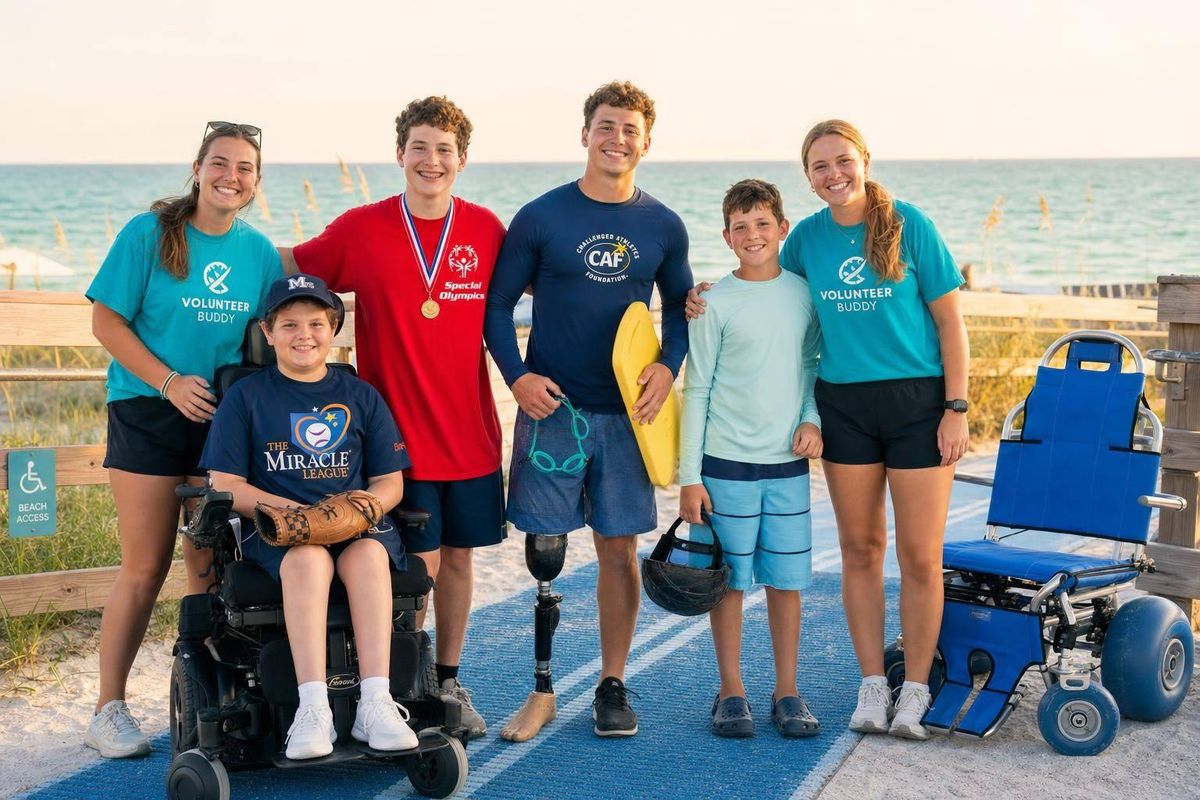
If you're looking for sports or activity options for a child or adult with a disability in South Walton, the main paths are simple: Miracle League baseball, Special Olympics school or area programs, therapeutic riding, adaptive swim, and beach access with mobility support. In a place built around parks, trails, and the beach, the main job is not finding something to do. It’s finding a program that fits ability level, sensory needs, staff support, drive time, and cost.
Here’s the short version:
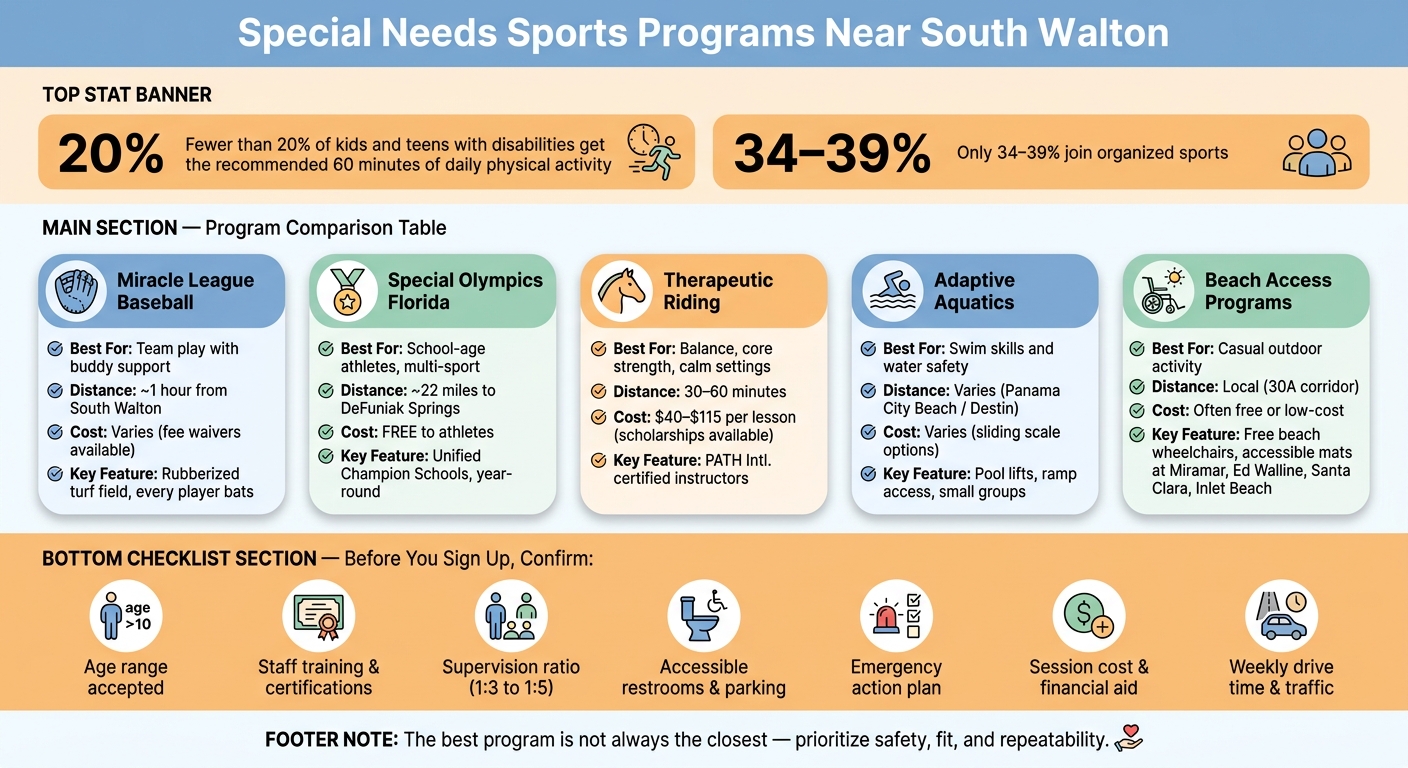
- Fewer than 20% of kids and teens with disabilities get the recommended 60 minutes of daily physical activity
- Only about 34% to 39% join organized sports
-
South Walton families often use:
- Miracle League baseball in Panama City Beach
- Special Olympics Florida through schools or area programs
- Therapeutic riding within about 30 to 60 minutes
- Adaptive aquatics in nearby pool programs
- Beach access points with mats and free beach wheelchairs in season
Before you sign up, I’d check these first:
- Age range
- Staff training
- Supervision ratio
- Accessible restrooms, parking, and routes
- Emergency plans
- Session cost and fee help
- Traffic and weekly drive time
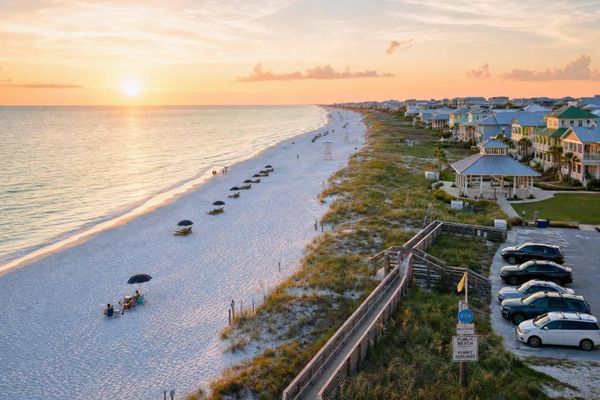
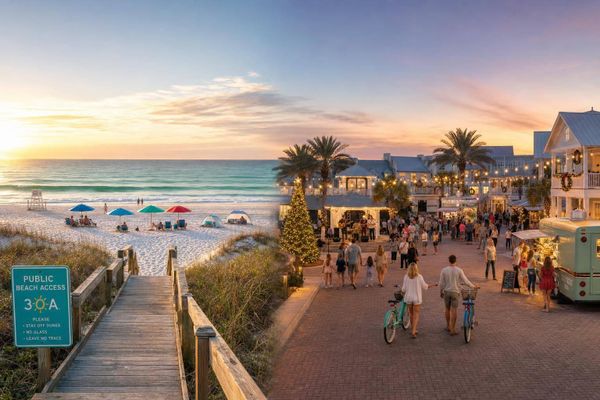
A few South Walton beach access points, such as Miramar Beach, Ed Walline, Santa Clara, and Inlet Beach, may offer wheelchair-friendly mats and seasonal beach wheelchair access. The area also has a 17-mile trail along Scenic Highway 30A, plus parks and sports spaces that can work well for many families.
| Program | Best For | Usual Distance From South Walton | Cost |
|---|---|---|---|
| Miracle League baseball | Team play with buddy support | About 1 hour | Varies |
| Special Olympics Florida | School-age and team sports | Varies by school/area | Free |
| Therapeutic riding | Balance, core work, calm settings | About 30–60 minutes | About $40–$115 per lesson |
| Adaptive aquatics | Swim skills and water safety | Varies | Varies |
| Beach access programs | Casual outdoor activity | Local | Often free or low-cost |
The best choice is usually not the closest one. I’d look for the program that feels safe, clear, and easy to repeat week after week. The rest of the article walks through the main options, what to ask, and what to confirm before you commit.
Special Needs Sports Programs Near South Walton: Quick Comparison Guide
Adaptive/Para Sports for Children with Physical and Developmental Disabilities
sbb-itb-d06eda6
Local and Regional Sports Programs for South Walton Families
South Walton families usually have three main options: team sports, school-based programs, and activities that sit a little closer to therapy or water safety.
Miracle League baseball and nearby inclusive team sports
For many families in South Walton, the most practical team sport option is Miracle League baseball at Frank Brown Park in Panama City Beach. The league welcomes players ages 3 and up, including adults, with physical or intellectual disabilities.
What makes it work so well? The setup is simple and family-friendly. The field has rubberized turf, so it stays level and works well for wheelchairs. Every player gets to bat, round the bases, and take the field, without the usual outs that can make the game feel stressful or rushed.
Each player can also be matched with a buddy. That volunteer helps with things like batting, running, and staying oriented during the game. For some kids, that support is the difference between sitting on the sidelines and being part of the action.
Families can register online or at the Frank Brown Park Community Center. If you register in person, you can also ask about financial assistance. The drive from South Walton is about an hour, depending on traffic, which makes weekly spring and fall games a workable routine for many families.
For families who want sports to connect more directly with school, Special Olympics Florida is often the next place to look.
Special Olympics Florida and Walton County school pathways
For children with intellectual disabilities, Special Olympics Florida gives families a clear way in through local schools. The Young Athletes program is geared toward children generally ages 2–7 and uses play-based activities to help build motor skills like running, jumping, and throwing in a supportive setting.
Older students may be able to join Unified Champion Schools, where students with and without disabilities play together in sports like track, basketball, and bocce. It’s a good model because it ties sports, social time, and school life together instead of splitting them into separate worlds.
A good first step is to ask your child’s special education teacher, PE coach, or school counselor whether the school already takes part. If your family wants a community-based team that practices outside school hours and competes at county, area, or state events, you can contact the Special Olympics Florida area office that covers Walton County and ask about current sports, sign-up details, and season timing.
Some families, though, need a setting that feels smaller and more one-on-one. That’s where riding, aquatics, and beach programs often come in.
Therapeutic riding, adaptive aquatics, and beach activities
Therapeutic riding programs within about a 30- to 60-minute drive of South Walton use the horse’s natural movement to help with core strength, balance, and regulation. It can look calm from the outside, but there’s a lot going on physically and emotionally.
When you’re checking out a program, a few things matter right away:
- Ask whether instructors are certified through PATH Intl.
- Find out which disabilities and support needs the program serves
- Try to schedule a short observation visit to see whether the barn feels like a good sensory fit for your child
For water-based programs, adaptive aquatics at community pools in Panama City Beach or Destin can include one-on-one or small-group lessons, ramp or lift access, and visual schedules or simplified directions. In a place like South Walton, swim skills aren’t just about fun. Water safety is a big deal, and many therapists treat adaptive swim lessons as a core life skill, not just a leisure activity.
Beach options can also show up during the season. Along 30A, adaptive surf and paddleboard days sometimes take place with volunteer support and seated adaptations. For regular beach outings, families can combine free beach wheelchairs at staffed access points with vendor rentals if they need more time on-site.
Program fit still comes down to the details: the facility, the staff, and the equipment.
Facilities and Accessibility in South Walton
Once a program looks like a good match, the next step is simple: make sure the facility can support your child or family member in a practical way.
South Walton Sports Park and its inclusive features
The Walton Sports Complex, also called the South Walton Sports Complex or SoWal Sports Complex, is north of U.S. 98 near Point Washington, behind Dune Lakes Elementary School. It includes multi-use fields, a baseball/softball complex, playgrounds, greenspace, picnic areas, restrooms, concessions, and parking.
The master plan goes further. It adds a Miracle Field, a boundless playground, and trail stations built for different abilities. The larger plan also includes ADA-accessible routes, accessible parking, and a flat, rubberized Miracle Field surface. Playground equipment is meant to let children with and without disabilities play side by side.
That said, some parts may still be finished in phases. It’s smart to confirm what’s open before your first visit.
The same approach works for gyms and community spaces across South Walton. A program can sound great on paper, but if the layout makes entry, restrooms, or transitions hard, the visit can get stressful fast.
What to check at parks, gyms, and community spaces
Check access before you go. The main things to confirm are:
- ADA parking near the entrance
- Paved, wide routes from parking to fields or playgrounds
- Accessible restrooms
- Drinking fountains
- Shaded seating or covered areas
For sensory and behavior needs, look for clear signage, staff members you can spot at entry and play areas, and a setting that feels organized and predictable. It also helps to ask whether staff or volunteers have formal training working with individuals with disabilities, and whether they can help with mobility devices, communication differences, or one-on-one support at check-in, during transitions, and during play.
For beach outings, a few access points stand out because they pair beach entry with the basics families often need, like restrooms, parking, and mobility support.
| Facility | Key Accessibility Features | Best Use Case |
|---|---|---|
| Walton Sports Complex | Multi-use fields, baseball/softball complex, playgrounds, greenspace, picnic areas, restrooms, parking; Miracle Field, boundless playground, and trail stations planned | Youth sports and inclusive programming |
| Miramar Park | Over 200 parking spaces, restrooms, showers, one ADA-accessible route, and more than 1,100 feet of public beach | Beach outings with support amenities |
| Inlet Beach Regional Access | ADA restrooms, ADA boardwalk, ADA parking, water fountain, beach wheelchairs, seasonal lifeguards | Beach access with strong infrastructure |
How to Choose the Right Program
After you’ve checked access, the next step is simple: figure out which program fits the person, the support they need, and your day-to-day routine.
Match the sport to ability, sensory needs, and interest
Start with what the participant actually likes. That sounds obvious, but it matters a lot. Sometimes it takes a few tries before one sport clicks, and that’s normal.
From there, look at things like motor skills, balance, strength, endurance, and any mobility aids they use. The goal is to pick a sport that lines up with mobility, stamina, and sensory tolerance.
Sensory tolerance can make or break the experience. If noise, crowds, or heat are tough, it often helps to begin with shorter sessions, small groups, and routines that feel steady and familiar. Later, if comfort grows, it may make sense to move into more competitive formats.
Review staff training, safety practices, and accommodations
Before you sign up, ask direct questions. You want to know whether coaches and volunteers have disability-specific training. For autistic participants, ask whether the facility is a Certified Autism Center. Also check that lead coaches have current CPR and basic first-aid certifications.
It also helps to pin down supervision. Programs serving participants with higher medical or behavioral needs often use ratios around 1:3 to 1:5, and Miracle League-style programs often include volunteer buddies. Ask whether the program has a written emergency action plan for injuries, extreme weather, elopement, seizures, or allergic reactions. If staff can explain that plan clearly, that’s usually a good sign.
Compare distance, schedules, and program costs
Once you’ve narrowed the list to programs that fit the participant’s needs, logistics usually take over.
Look at each schedule next to your weekly routine and be honest about drive time. That matters even more during spring and summer tourist traffic along the 30A corridor. It’s also worth comparing those drives with regional choices, like programs in DeFuniak Springs, about 22 mi away.
Cost takes a little digging too. Don’t stop at the registration fee. Therapeutic riding can vary a lot in price, while Special Olympics Florida is free to athletes.
For many 30A families, the last call comes down to drive time, sensory load, and cost. This side-by-side view makes the shortlist easier.
| Program | Sport Type | Ages Served | Distance from South Walton | Accessibility Features | Season / Schedule | Cost / Financial Aid |
|---|---|---|---|---|---|---|
| Miracle League-style baseball | Baseball | Varies by league | Local (South Walton area) | Rubberized surface; volunteer buddies; accessible parking and drop-off | Varies by league | Often community-supported; ask about fees or fee waivers |
| Special Olympics Florida – Northwest Region | Multi-sport | Ages 8–21 | About 22 mi to DeFuniak Springs | School-based facilities; coaches trained for athletes with disabilities | Year-round; varies by sport and school calendar | Free to athletes |
| Therapeutic riding programs | Equestrian / horsemanship | Ages 4+ | About 30–35 mi, depending on facility | Accessible stables, mounting ramps, adaptive reins | Year-round weekly sessions | About $40–$115 per lesson; scholarships may be available |
| Adaptive aquatics programs | Swimming / aquatic exercise | Varies | Varies by location | Pool lift, shallow-entry ramp, flotation devices | Year-round; multiple session times | Fees vary; sliding-scale options or fee waivers may be available |
Register early. Many programs fill fast.
Staying Current and Final Takeaways
Using sowal.co to follow community updates
After you compare programs, check local updates to see what's open right now. Schedules shift. Leagues come and go. Even facility features can change from season to season.
Use sowal.co to check the latest South Walton adaptive-recreation updates before you register.
sowal.co is a digital guide focused on South Walton and the 30A coastline. It covers local events, park updates, and family resources. That makes it a practical place to follow adaptive sports and accessibility updates.
Key points to remember before signing up
Once you have a shortlist, run through one last check before you sign up. Pick the best fit, not just the closest one. Sometimes a longer drive is worth it if it means better coaching, stronger accommodations, or a safer setting.
Before you register, confirm:
- deadlines
- supervision ratios
- emergency plans
- available adaptive equipment
Seasonal schedules can change, and online listings may be out of date. If local options don't fit, Special Olympics Florida regional coordinators can help families find nearby teams, and participation is free for athletes.
FAQs
How do I know which program is the best fit?
Start with your child. Their age, interests, and energy level will tell you a lot.
Some kids do best in a skills-based program with hands-on activities and plenty to do. Others are more drawn to a science-based program built around observation, discovery, and asking questions.
After that, talk to the organizers and get specific. Ask about:
- Staff-to-student ratios
- Safety measures, including CPR certification
- The program’s values
- A full fee breakdown, including whether scholarships are accepted
That way, you’re not just picking a program that looks good on paper. You’re choosing one that fits your child and gives you a clear picture of what to expect.
What should I ask before registering?
Before you register, ask for a clear fee breakdown. That should include any extra charges for registration, administration, activities, or meals. You don't want the listed price to look one way and the final total to land somewhere else.
It also helps to confirm:
- Enrollment deadlines
- Scholarship availability
- Staff-to-student ratios
Then dig into the practical details. Ask about cancellation and weather policies, technology rules, required equipment, and reservation procedures. You should also confirm whether a formal membership is required.
Are scholarships or fee waivers available?
Yes. Some South Walton programs offer financial support, scholarships, fee waivers, or sibling discounts. Many education and extracurricular programs also accept Step Up For Students scholarships and PEP funds.
Support varies by provider. Some families may also qualify for respite-care stipends, vouchers, or low-cost or free services, so it’s smart to ask each program directly about available help and the total cost.