South Walton Transit Hub: What to Know
Overview of South Walton's transit hubs—parking capacity, accessibility, tram routes and paid-parking timeline to reduce congestion on Scenic Highway 30A.
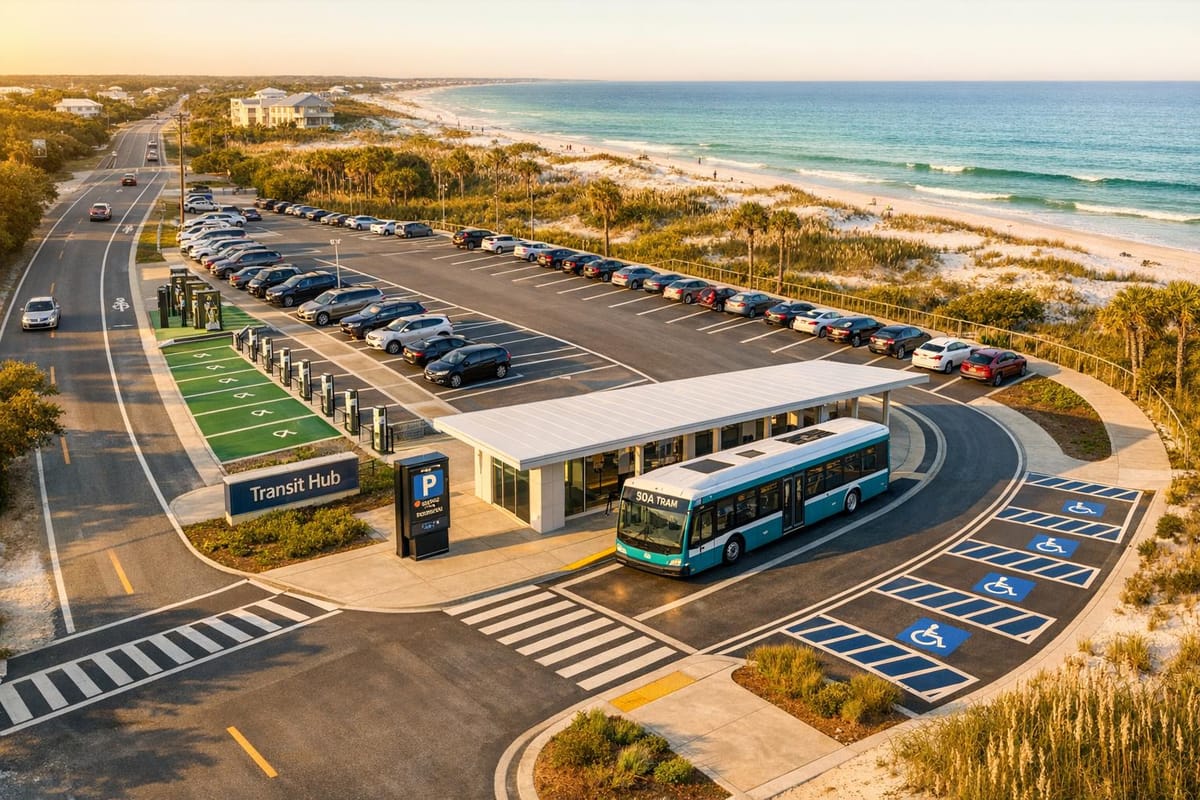
The South Walton Transit Hub was launched to reduce traffic and parking issues along the 30A coastline. Funded through a 5% Tourist Development Tax, it includes two key facilities: Grayton Beach Municipal Parking Facility and 393 Municipal Parking Facility, both operational since 2025. Here's what you need to know:
- Grayton Beach Facility: 204 parking spaces, EV charging stations, ADA-accessible features, and free tram service to the beach.
- 393 Facility: 74 parking spaces, future expansion potential, and proximity to Ed Walline Beach Access.
- Walton Dunes Project: 14 planned spaces, still on hold due to legal challenges.
Starting March 1, 2026, a new tram route will connect these hubs, promoting a "park once" approach to reduce congestion on Scenic Highway 30A, one of the best scenic drives in the area. The system prioritizes convenience and accessibility while preserving the area's natural charm.
1. Grayton Beach Municipal Parking Facility
Parking Capacity
Grayton Central stands out as the largest parking hub in South Walton's transit network, offering 204 spaces spread across nearly 7 acres. This facility is notably larger than others in the area. It includes 9 ADA-accessible spaces, 4 EV charging stations, 4 RV spaces, 7 spaces for low-speed vehicles (LSVs), and bicycle parking.
But it’s not just about parking - it’s designed with thoughtful transit-friendly features. These hubs make it easy to plan your South Walton visit without worrying about parking logistics.
Accessibility Features
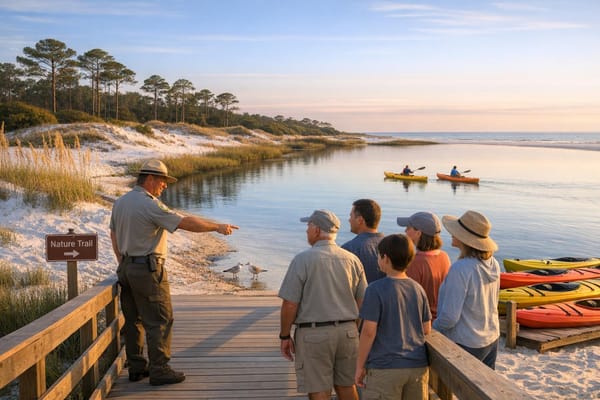
The facility boasts a 1,700-square-foot multi-level transit building outfitted with air-conditioned waiting areas that showcase local art. Visitors will also find public restrooms and a scenic nature trail winding through wetlands adjacent to Grayton Beach State Park. Cyclists and pedestrians benefit from direct access to the regional multi-use path.
To make beach visits hassle-free, a complimentary tram service operates every 15 minutes from 6 a.m. to 10 p.m., connecting the parking hub to the Grayton Beach Community Center. The community center, expected to open in March 2026, will include a boardwalk leading directly to the beach.
Construction Timeline
Work on Grayton Central began in March 2024 and wrapped up by July 2025, with the project costing $12.9 million. The land itself was purchased back in August 2016 for $7.6 million, marking nearly nine years from acquisition to completion.
"This property was bought in August of 2016. We finally got everything together to finish it, and it's turned out great. This is the future of South Walton." - District Five County Commissioner Tony Anderson
Impact on Congestion Relief
Strategically located just north of Scenic Highway 30A, Grayton Central plays a critical role in easing traffic before it reaches the crowded beachfront areas. As the cornerstone of South Walton's "park once" strategy, the facility encourages visitors to park their vehicles here and rely on the free tram service instead of driving near the shore.
Starting March 1, 2026, the tram system will expand its routes to connect Grayton Central with other key regional destinations, further strengthening South Walton's integrated transit network. This setup not only reduces congestion but also aligns with the area's broader vision for smarter, more sustainable transportation.
Walton County unveils new parking and transportation hub off Hwy 393
2. 393 Municipal Parking Facility
The 393 Municipal Parking Facility builds on the success of Grayton, strengthening the region's interconnected transit network.
Parking Capacity
Located at 1668 S. Co. Hwy 393, this facility provides 74 parking spaces, including spots for ADA compliance, low-speed vehicles, and bicycles, with a total cost of nearly $5 million. While smaller than Grayton's 204-space lot, it plays a key role in supporting the county's transit system.
Early designs included 168 bicycle racks to encourage multi-modal transportation options. Additionally, the facility was designed with future growth in mind, allowing for the potential construction of a second-level parking deck.
Accessibility Features
The facility boasts a 1,300-square-foot air-conditioned transit building equipped with restrooms. This space also serves as an art gallery, showcasing work from award-winning local artists. Other thoughtful amenities include a dog-walking area and a water fountain with bottle-refill and pet-friendly features. Conveniently located just 0.25 miles from Ed Walline Regional Beach Access, the hub connects visitors to accessible beach mats and provides free wheelchair rentals.
Construction Timeline
Construction for the facility spanned from March 2024 to December 2025. Tram services linking the hub to nearby destinations are scheduled to start on March 1, 2026. Initially offering free parking, Walton County plans to introduce a paid parking system in Spring 2026, with discounted annual passes available for local residents. For those requiring specialized assistance, senior transportation services are also available throughout the county.
Impact on Congestion Relief
One of the primary goals of the facility is to alleviate traffic near Ed Walline Regional Beach Access by reducing the number of vehicles circling for parking. Brian Kellenberger, Director of Beach Operations, emphasized this point:
"Don't drive down into Ed Walline's parking lot. Park up here, jump on one of our small shuttles... that will zip people back and forth".
This "park once" strategy aims to keep cars off Scenic Highway 30A, a congested two-lane road. The tram route will connect the 393 hub with Grayton Beach and Blue Mountain Beach, further integrating South Walton's transit network. By combining strategic location and thoughtful design, the facility contributes to reducing shoreline traffic while enhancing connectivity within the community.
Together with the Grayton and Walton Dunes hubs, the 393 facility plays a vital role in South Walton's growing transit system.
3. Walton Dunes Regional Beach Access
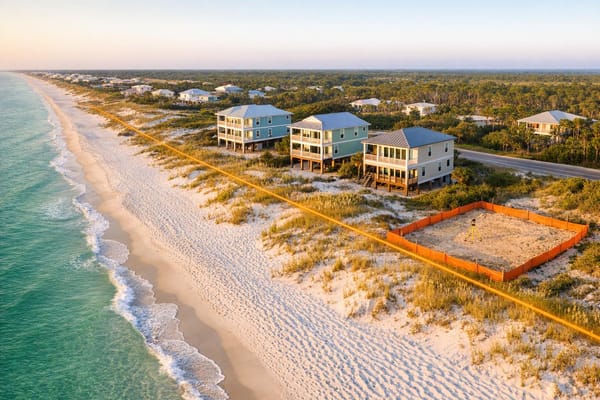
The Walton Dunes Regional Beach Access project is still in the planning phase, unlike the already functioning Grayton and 393 facilities.
Parking Capacity
Situated at 258 Beachfront Trail in Santa Rosa Beach, this location currently offers 13 parking spaces. Future plans aim to increase this to 14 parallel right-of-way parking spaces. While this is a small capacity compared to Grayton's 204 spaces and the 393 facility's 74 spaces, it’s designed to meet local needs. The plans also include dedicated spots for ADA-accessible vehicles, low-speed vehicles, and bicycles, encouraging multi-modal transportation options. These features aim to ensure easier and more inclusive beach access.
Accessibility Features
The proposed design includes a 1,300-square-foot transit building featuring public restrooms and an ADA-accessible boardwalk that leads directly to the beach. For immediate ADA access, visitors can utilize the nearby Ed Walline Regional Beach Access or the 393 Transit Hub, both conveniently located just a quarter-mile away.
Construction Timeline
As of June 2025, the project remains on hold, awaiting a final decision from the Zoning Board of Adjustments regarding its development order. Legal setbacks have delayed its anticipated integration into the county's transit network, now scheduled for March 1, 2026.
Impact on Congestion Relief
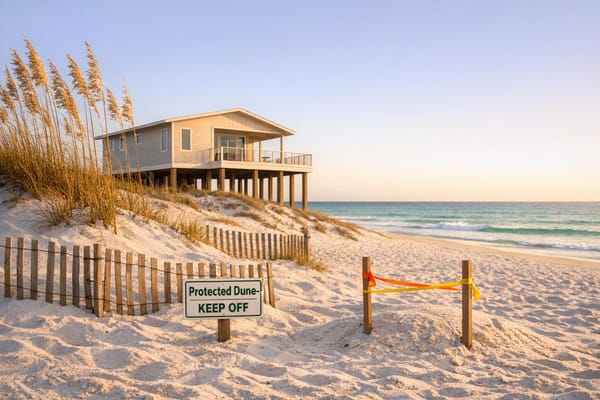
Currently, the project does not alleviate congestion, but its design intends to replace informal roadside parking along Beachfront Trail with designated spaces. Once completed, this smaller sub-hub will complement the larger Grayton and 393 facilities as part of Walton County's broader mobility strategy.
Pros and Cons
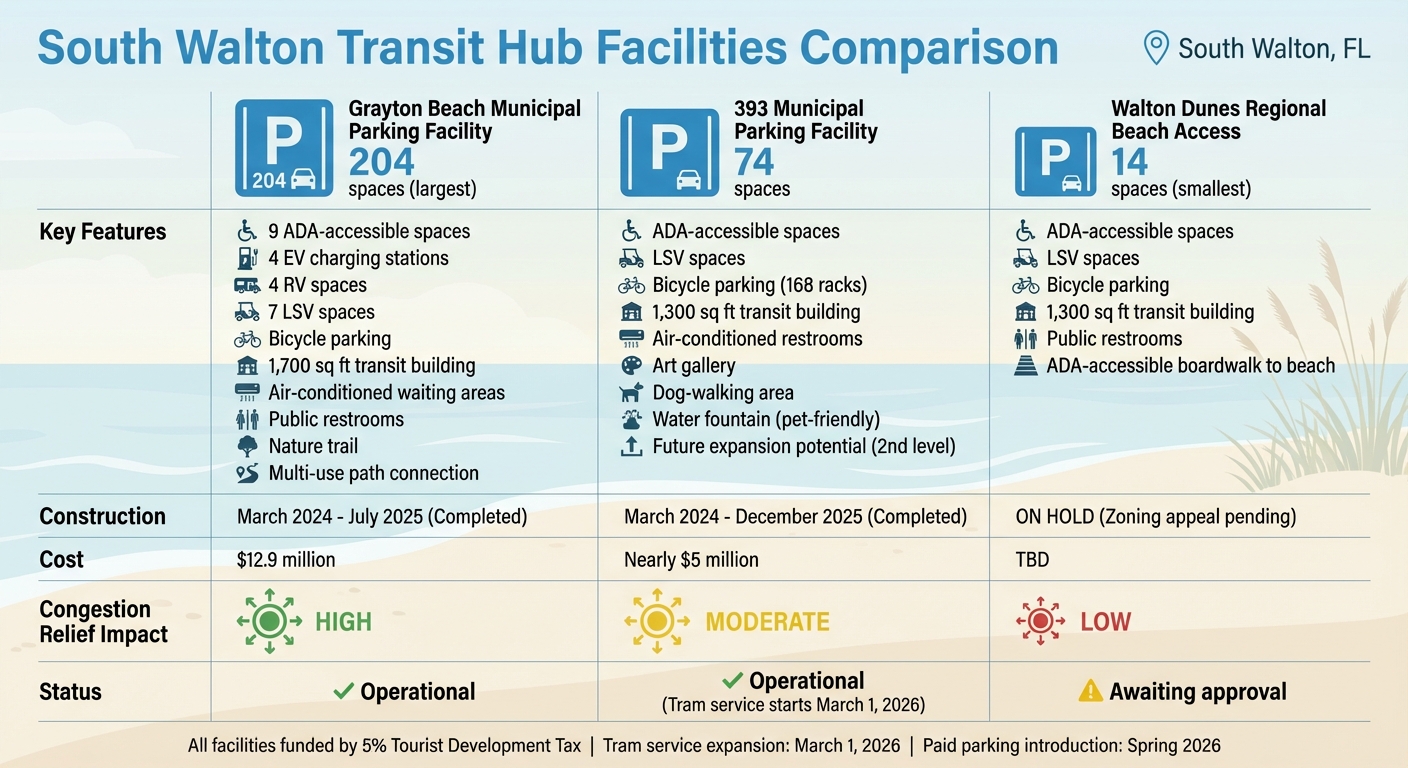
South Walton Transit Hub Facilities Comparison: Parking Capacity, Features & Timeline
This breakdown highlights the strengths and challenges of South Walton's transit hubs, focusing on their role in the South Walton transit plan.
Each facility plays a part in the "park once" approach, which centralizes parking to streamline access to beach destinations. Grayton Central, the largest hub with 204 parking spaces, anchors the network. It cost $12.9 million to build and has temporarily affected nearby businesses' revenue during construction. Meanwhile, the 393 Transit Hub, built for nearly $5 million, offers unique features like a dog-walking area and an art gallery. It's also designed for future expansion, possibly adding a second-level deck. However, its 74 spaces make it less spacious than Grayton Central, and tram service from this hub won’t start until March 1, 2026.
Walton Dunes, on the other hand, prioritizes environmental considerations with ADA-accessible boardwalks and organized parking. However, its limited 14-space capacity and unresolved zoning issues restrict its overall impact on the transit system.
| Facility | Parking Capacity | Accessibility Features | Construction Timeline | Congestion Relief Impact |
|---|---|---|---|---|
| Grayton Central | 204 spaces | ADA, LSV, EV charging, bicycle parking; multi-use path connection | Completed (Opened July 2025) | High – serves as the central hub for Grayton Beach and 30A |
| 393 Transit Hub | 74 spaces | ADA, LSV, bicycle parking, ADA-accessible restrooms | Completed (Opened Dec 2025) | Moderate – reduces circling at Ed Walline Regional Access |
| Walton Dunes | 14 spaces | ADA, LSV, bicycle parking; ADA-accessible boardwalk | On Hold (Zoning Appeal) | Low – primarily organizes existing roadside parking |
All three hubs will need to adapt to the introduction of paid parking in Spring 2026. This comparison highlights how each facility contributes to South Walton's broader transit goals while balancing their individual limitations and strengths.
Conclusion
South Walton's transit hub network showcases how coastal communities can address parking challenges while preserving both visitor satisfaction and local quality of life. Using a hub-and-spoke model centered around Grayton Central and supported by facilities like the 393 Transit Hub, the system creates a connected transportation framework that minimizes vehicle congestion along Scenic Highway 30A.
What sets this system apart is its funding and thoughtful design. The entire project is funded by a 5% Tourist Development Tax on short-term rentals, covering the $12.9 million cost of Grayton Central and nearly $5 million for the 393 Hub. This approach ensures that local residents aren’t financially impacted. County Administrator Brian Kellenberger highlighted the significance of this achievement, stating:
"By centralizing parking at top spots near 30A and connecting key destinations through transit, we can improve quality of life for everyone - from lifelong locals to first-time visitors".
Beyond funding, the hubs feature a forward-thinking, multi-modal design. These aren’t just parking areas - they include spaces for Low-Speed Vehicles (LSVs), electric vehicle charging stations, bike parking, and ADA-accessible amenities, ensuring they serve a broader community purpose.
South Walton’s approach is rooted in data and planning. Before committing to permanent infrastructure, the county tested the waters with a pilot shuttle program that transported over 18,000 passengers between mid-June and early September. This success justified the larger investment. Additionally, the 393 Hub is designed to accommodate future growth, with the potential for a second-level parking deck if demand increases.
With tram services set to expand on March 1, 2026 and paid parking launching this spring, the challenge ahead will be maintaining a balance that keeps both tourists and residents satisfied.
FAQs
How does the “park once” tram system work?
The "park once" tram system in South Walton makes getting around a breeze. Visitors can leave their cars at designated lots, such as the new transit hub near Ed Walline Beach, and hop on a tram to reach nearby beach access points and attractions. Operating daily from 10 a.m. to 7 p.m., the tram provides direct routes between parking areas and popular spots - saving you the hassle of hunting for parking.
When will trams and paid parking start?
Trams and paid parking services at the South Walton transit hub are scheduled to launch in early summer 2026. By that time, the construction of the Driftwood Road Municipal Parking and the 393 Municipal Parking Facility is anticipated to be finished. This timeline reflects the status as of February 2026.
Which hub is best for my beach access?
The ideal parking spot often depends on where you're headed. The Grayton Beach Municipal Parking Facility, scheduled to open by Spring 2025, will feature 204 parking spaces, ADA-compliant access, restrooms, and a boardwalk connecting directly to Grayton Beach. If you're looking for something already available, the Ed Walline Regional Beach Access is a great alternative. It provides parking and beach access close to the 393 Municipal Parking Facility, which is currently undergoing updates to make visits even more convenient.